
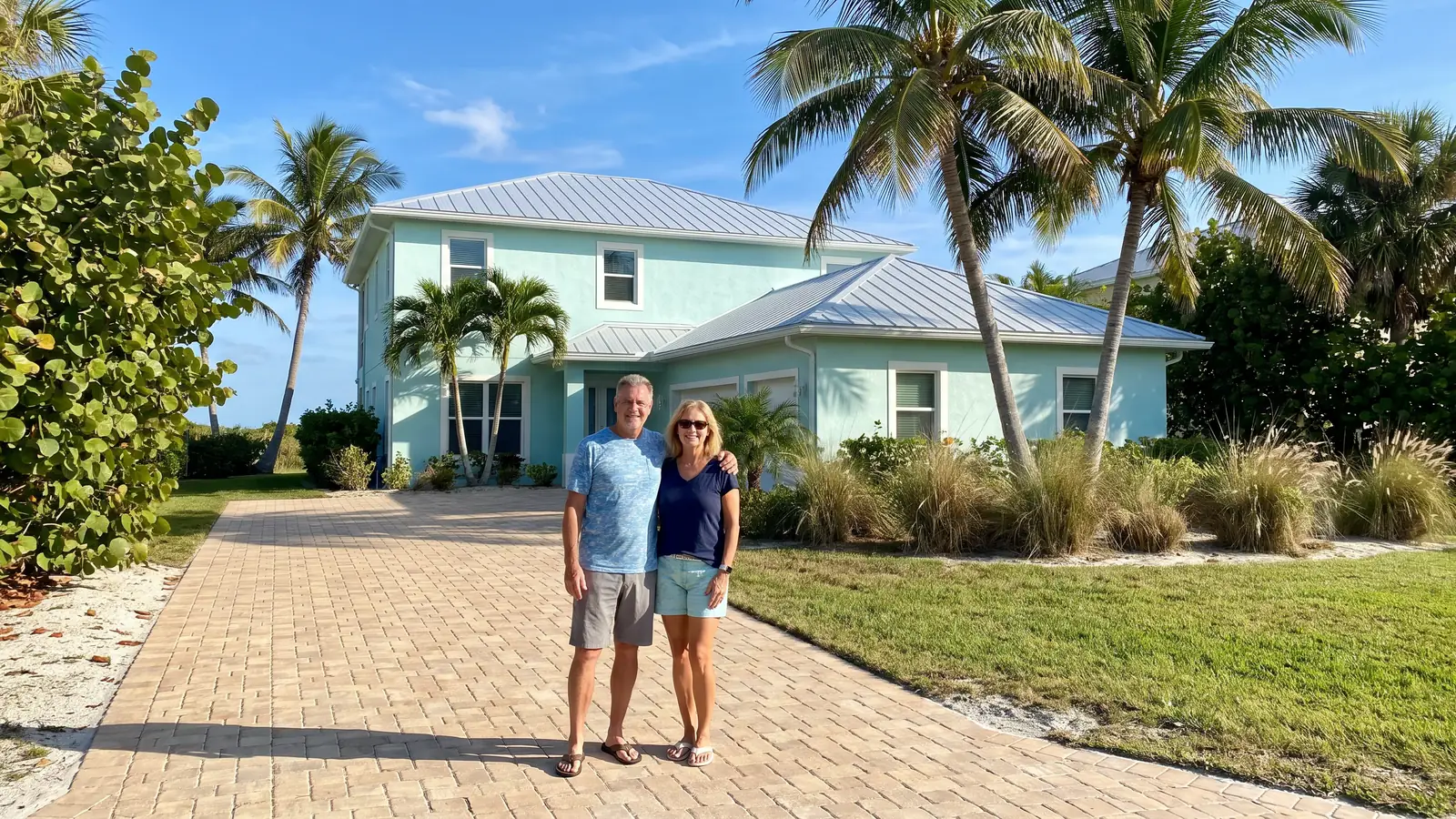
Paver sealing for Cocoa homes
Paver Sealing in Cocoa, FL
Pavers near Cocoa Village and Indian River Drive live in lagoon humidity, so call (321) 364-3636 for a free estimate.
- Brings out deeper paver color
- Fresh joint sand helps lock pavers in place
- Gives weeds less room to grow
- Makes the surface easier to keep clean
- Free estimate, no obligation
Request a Free Estimate
Free, no obligation.
Fast, careful paver sealing in Cocoa
Paver sealing in Cocoa starts with a free estimate for your driveway, patio, pool deck or walkway. A local contractor washes the pavers, puts sand back in the joints and seals them once the surface is dry. Ring (321) 364-3636 and a reply should reach you inside 1 business day, and often sooner than that.
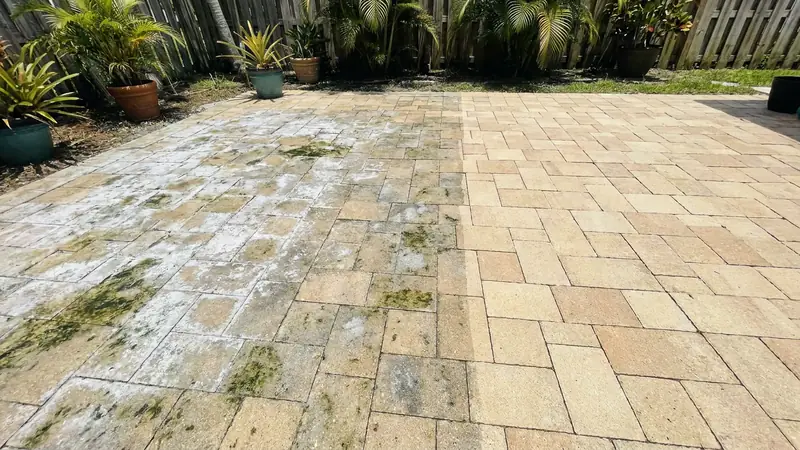
Think about the drive you roll onto at the end of a long shift. The color has gone chalky, green creeps along the joints, and the corners by the garage hold a gray film. After a wash, fresh sand and a coat of sealer, the pavers read as one even color again. To get that started, you can request a free quote and there is no obligation.
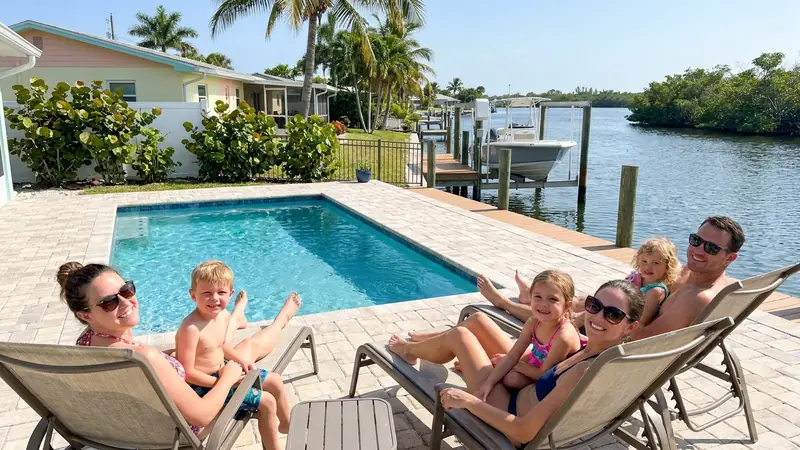
Why hire a local paver sealing contractor in Cocoa?
Cocoa homeowners often hire a local paver contractor because older homes, lagoon humidity and heavy summer rain all change how a job should go. To hear how that fits your street, request a free quote.
A free look first
A contractor measures your Cocoa pavers and gives a price before anything is agreed. No commitment comes with the visit.
A range you can check
Posted local rates run $1.85 to $4.00 per square foot for the wash, sand and seal. Compare any Cocoa quote to that.
A finish to match the house
Quiet matte suits an older Cocoa Village cottage. Glossy wet look shows scuffs sooner. The contractor can show you both.
You decide
Choose the date, the finish and whether to proceed. A Cocoa estimate comes with no pressure.
Get Your Free Estimate in Cocoa
Tell us about your pavers in Cocoa.
Free, no obligation
What paver problems show up most in Cocoa?
Lagoon humidity that never lets go
Brevard has a humid subtropical climate, and Cocoa has 2.1 square miles of water inside its limits. A Central Florida sealing company says year-round humidity and afternoon storms can push moisture through joints. That weakens the sand and leaves haze if sealer goes on at the wrong time. For you, a Cocoa job often waits for a truly dry day. Pavers that look dull in August may simply be damp. Give the surface a long dry spell before judging it. Dry-season weeks from December through May usually bring a better window. The Indian River Lagoon averages only about 4 feet deep and Brevard holds 71 percent of it, so the water is never far from a Cocoa yard.
Green film where shade holds water
One cleaning company up the county says leaf litter and shade are what keep walks and drives green. The same thing happens on a Cocoa walkway beside a hedge or under a big tree. Algae feeds on damp. If one side of your pavers stays cool and wet, expect the green to start there and come back first. Washing clears it, and sealer helps slow its return. Trimming back branches near the driveway also lets sun in. Trimming a hedge or a low branch lets sun and air reach the surface. Shade near Cocoa Village walls and hedges keeps a walkway cool, which means green film shows up there first.
Color that fades in sun and salt air
A Palm Bay paver company points to Florida's harsh sun, salt air and daily wear as what sealer protects against. Cocoa sits on the Indian River, a short drive from the ocean side of the county. Open driveways with no shade take the most sun. Pavers that look washed out in the afternoon light are asking for a new coat. A fresh coat also helps pavers shed dirt more easily. Sun fades dyed concrete pavers over time, and sealer slows that. Color that looks even at noon can look blotchy in low evening light, which is when owners usually notice. Cocoa's own high ground, 83 feet at its peak, is a reminder that even a small rise sends water one way or the other.
Joint sand that rain carries off
Rain comes mostly from June through November in Brevard. A Central Florida company says summer rain scours pavers and flushes sand out of worn joints. Cocoa also holds the highest ground in the county, at 83 feet, so water on a sloped drive keeps moving. Open joints let weeds root, which means the weeds are a symptom of missing sand. Sand has to be replaced before sealer can hold it. A contractor can see this at a glance on a first walk. A hose-down after a storm is a quick way to see which joints have gone low. Rust marks and fertilizer spots are treated during the wash so they do not end up under the coat.
Sealer that does not match the old coat
Houses near Cocoa Village have changed hands for generations, and a past owner may have sealed the pavers more than once. A water-based product will not bond over an older solvent-based coat. A cloudy or sticky patch can also mean trapped moisture or a product mismatch. The contractor has to identify what is down before choosing anything new. A water-based coat over a solvent-based one can fail. Knowing the old product saves a failed coat and a second bill. A photo of the old label, if you have one, speeds the first visit. Bring the closing papers or an old receipt if you have them, since they often name the product.
Does paver sealing differ in Cocoa Village and along Indian River Drive?
Yes, because the old streets around Cocoa Village and the roads farther out call for different care. The Village runs along Florida Avenue to Stone Street and down to Riverfront Park on the Indian River. Brick walks and courtyards beside historic buildings need gentle rinse water, so tell the contractor what stands next to your pavers when you request a free quote. Pavers close to those walls get a lighter touch.
Indian River Drive is a slow two-lane road that follows the water, and it takes the names Brevard Drive, Delannoy Avenue and Rockledge Drive along the way. Driveways on this route sit close to the lagoon, so air and wind off the water reach them every day. Tell the contractor which stretch of the road is yours when you call (321) 364-3636. A morning wash can stay damp until afternoon on that side of town.
Cocoa also holds the highest ground in Brevard County, at 83 feet. A paved drive that slopes toward the street can carry joint sand down with every storm. Ask the contractor to watch where water leaves your driveway, then request a free quote to set a time to look at it. Low edges and slopes are the usual trouble spots.
What does paver sealing cost in Cocoa?
Local companies post $1.85 to $4.00 per square foot for the full wash, sand and seal. Where a Cocoa job lands in that range depends on the pavers' condition, the total area and the type of sealer. A big driveway plus a pool deck adds up faster than a front walk. For a figure tied to your Cocoa pavers, request a free quote, and the visit costs nothing.
Access and starting condition move the price too. A wide open driveway off Cocoa Boulevard is simpler than a small walled courtyard where gear is carried by hand. Heavy algae or a failed old coat adds washing time. Ring (321) 364-3636 and the contractor can say which of these fit your place before any work starts.
| Paved area | Typical example | Clean, sand and seal |
|---|---|---|
| 300 sq ft | Small patio or walkway | $555 to $1,200 |
| 600 sq ft | Two car driveway | $1,110 to $2,400 |
| 1,000 sq ft | Large driveway or pool deck | $1,850 to $4,000 |
| 1,500 sq ft | Driveway plus pool deck | $2,775 to $6,000 |
Math based on the $1.85 to $4.00 per square foot that Space Coast paver companies publish. Your contractor sets the actual price after seeing the surface. Repairs, leveling and stripping failed sealer are usually extra.
How does a paver sealing job work in Cocoa?
Look first, then plan
On arrival the contractor walks the whole job. Where does water leave the drive? Which side stays damp? Any pavers that sank or lifted get flagged, because sealer would lock the dip in place. A past coat gets identified too, since the wrong product over it fails. Photos taken on this walk go into the written estimate. A tape measure and a notepad are the main tools at this stage.
Wash off the lagoon film
A clean surface comes before everything else. Green film, gray haze, rust spots and leaf stain all go. Rinse water stays off older brick, wood trim and plants near Cocoa Village homes, where walls sit close to walkways. The wash also shows the true condition of the joints. A small test spot can show how the surface reacts before the full wash. Cocoa Village homes often sit close to walls, so edges get a careful pass.
Refill the joints
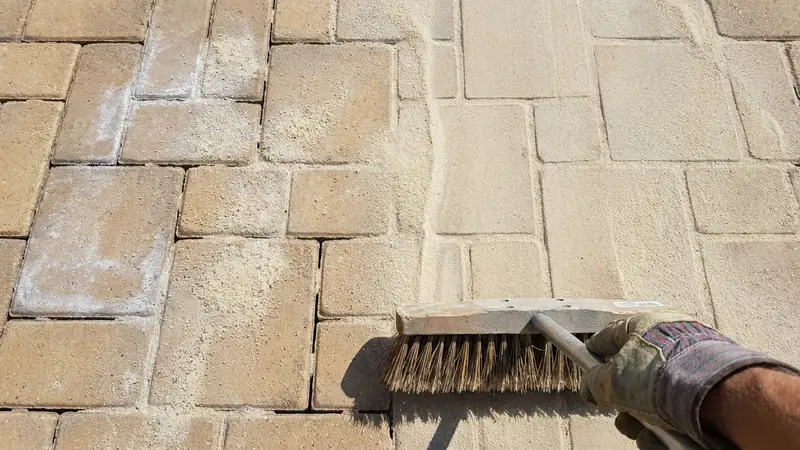
The wash empties the joints, and empty joints invite weeds and shifting. Fresh sand goes in until each gap is full, then the surface is swept. On a sloped Cocoa drive the low edge gets a second look, since runoff drags sand down that way first. Sand that lands on the street side is swept up so it does not clog a storm drain. Fresh sand is brushed across until the gaps stop swallowing it.
Give it time to dry
Patience is part of the price. A paver can feel dry on top while sand underneath stays damp for hours. The contractor checks sun, breeze and forecast before opening any sealer. A shaded Cocoa patio may sit a full extra day. Damp mornings can slow things down. Cocoa's wet season runs June through November, so this wait is often the longest part of the job.
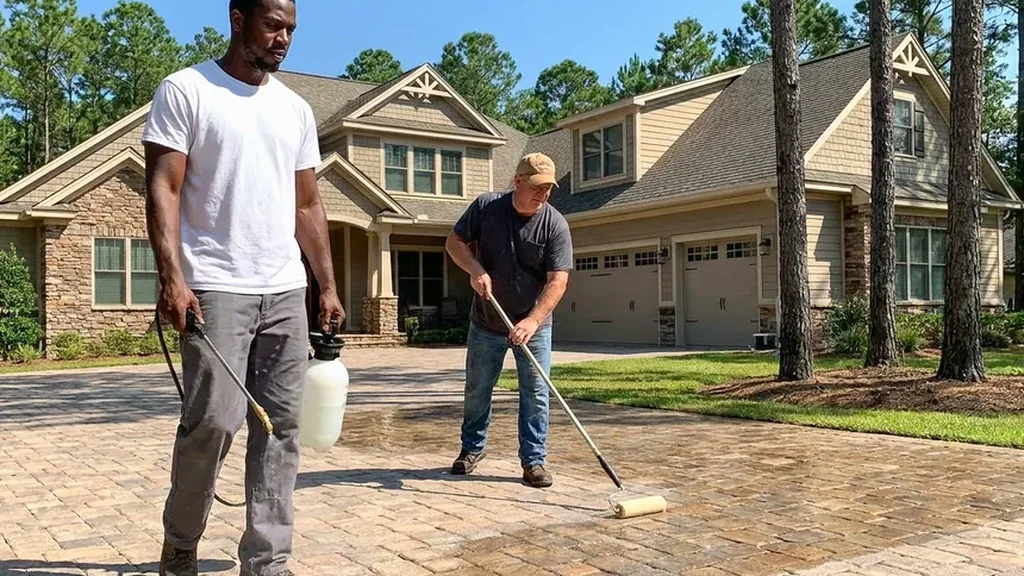
Seal, then keep off
Sealer goes on in thin, even coats and is worked into the joints. Edges by the house, plants and the road are protected. You hear exact keep-off times for feet, chairs and cars, because cure time depends on the product and the weather that day. A last walk with you covers the finish, the care and when to check the pavers again. The next check is usually due before the following wet season.
Complete paver services in Cocoa
Start with the wash. In Cocoa that means lifting river-damp grime, green film and gray haze from the surface and the joints. Next comes fresh sand, then a pause for drying, and sealer last. For the timeline on this lot, call (321) 364-3636.
Pick the surface and the sealer follows. A tire-worn drive near Cocoa Boulevard, a sun-baked lanai floor and a shaded side path each ask for something different. Say which you have, and the contractor can match product to place when you request a free quote. Mixing products on one property is normal.
Two choices shape the look: the chemistry and the sheen. A contractor checks for an old solvent-based coat first, since a water-based product will not bond over it. Matte keeps an old Cocoa Village cottage looking calm, while wet look brings out deeper tone and shows scuffs sooner. Call (321) 364-3636 to talk it through.
The calendar matters here. Brevard's wet season runs June through November, and sealer wants a dry surface, so storms reshuffle dates often. Expect the contractor to watch the forecast and move a visit rather than risk a cloudy coat. To find a likely dry window, request a free quote.
Questions to ask before you hire
- How do you tell that the pavers are dry enough to seal after a wash?
- How many coats go down, and how long do you wait between them?
- Will you refill the joints with polymeric sand, and which kind?
- When can cars, patio chairs and the dog go back on the surface?
- What happens if an afternoon thunderstorm rolls in during the job?
- Will you rinse off the salt film and blown sand before the sealer goes down?
- Which sealer will you use this close to salt air, and why that one?
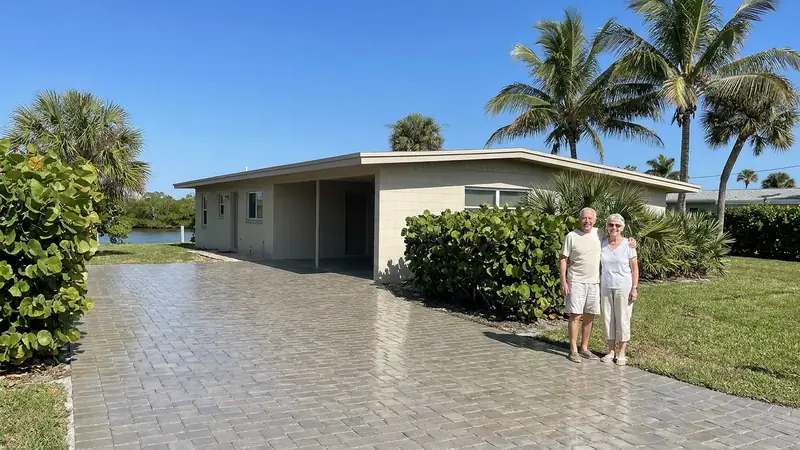
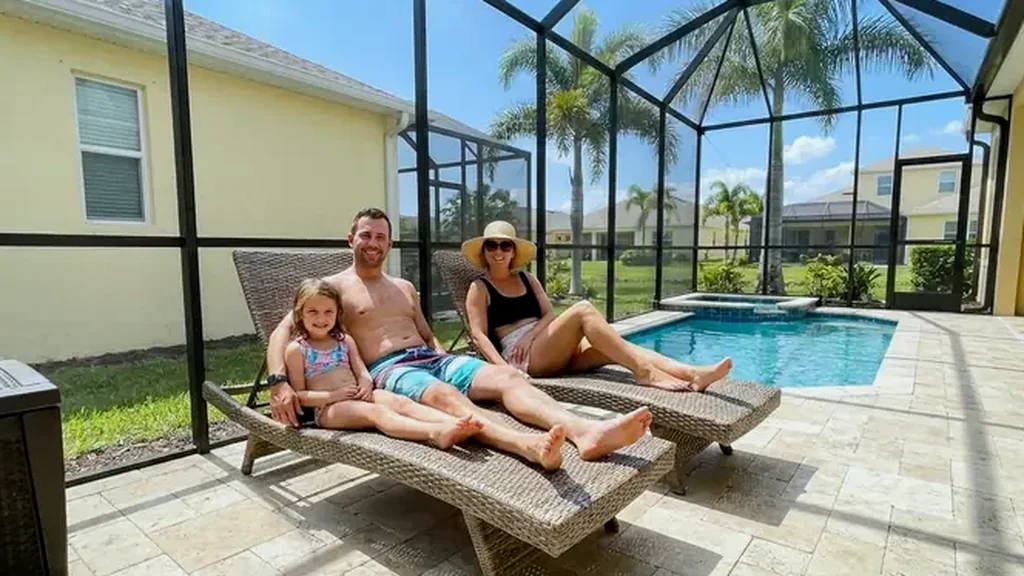
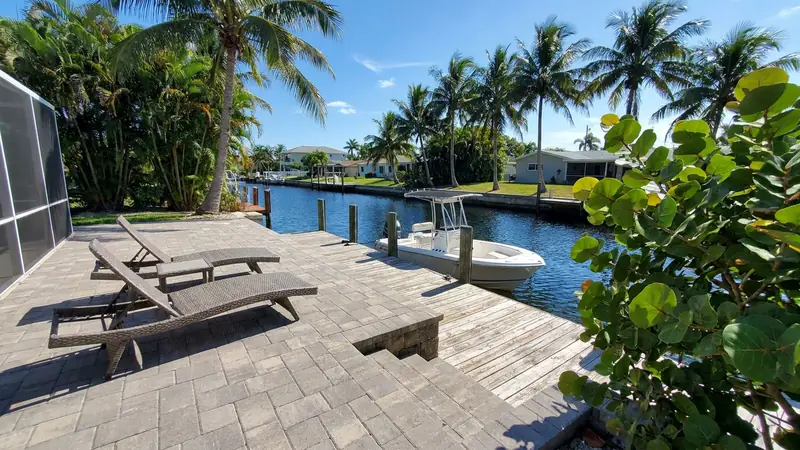
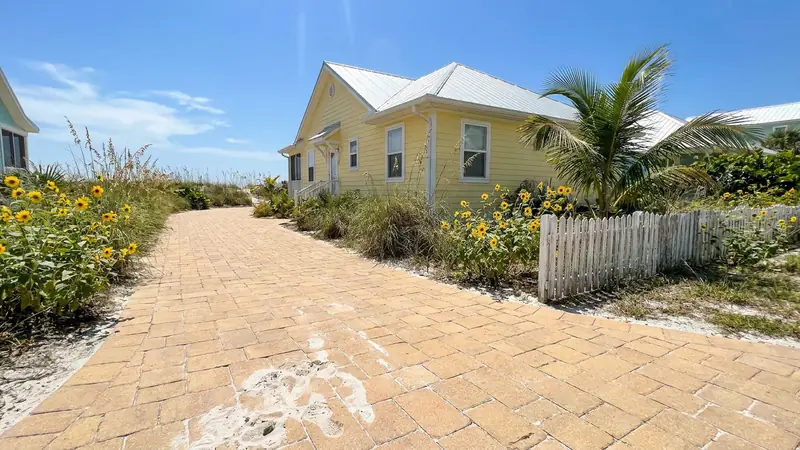
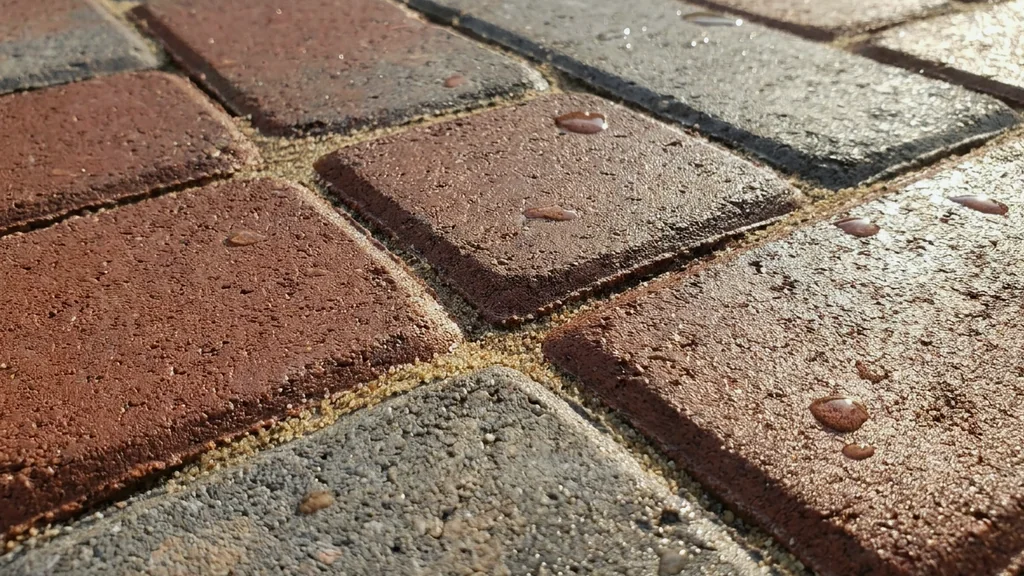
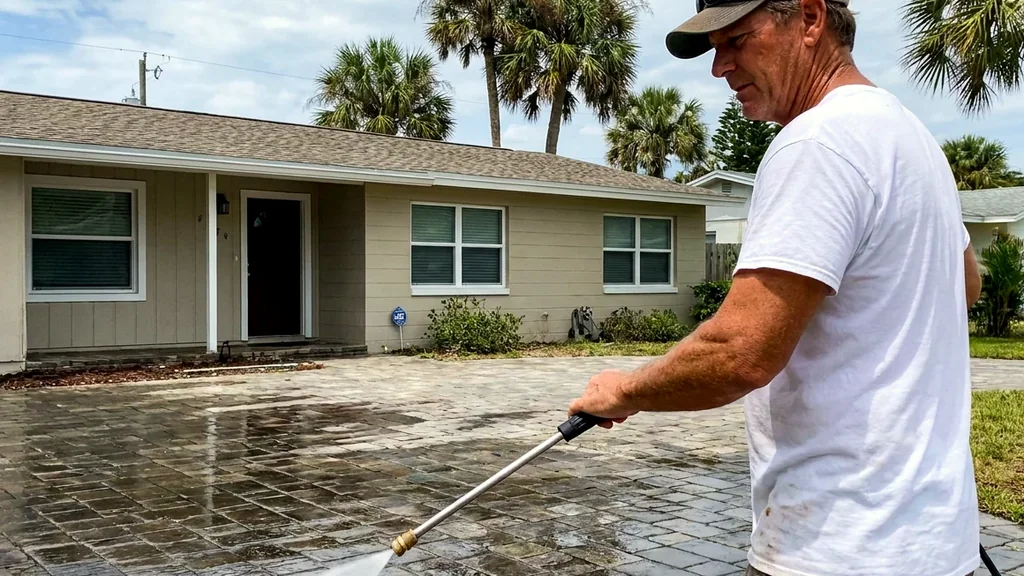
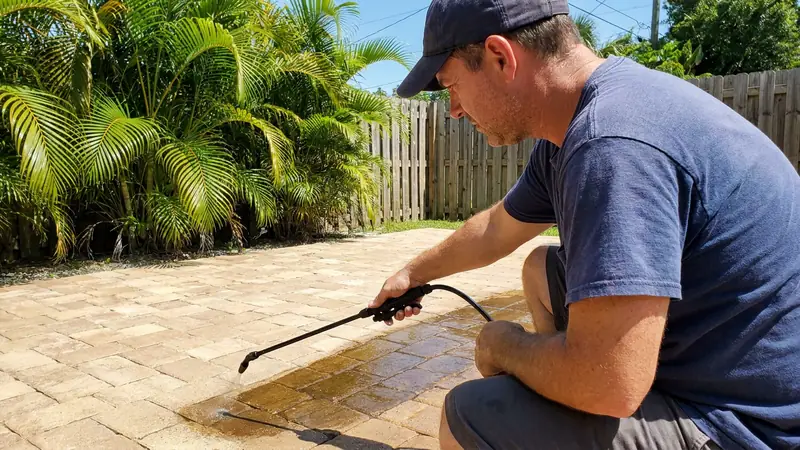
What do sealed pavers look like around Cocoa?
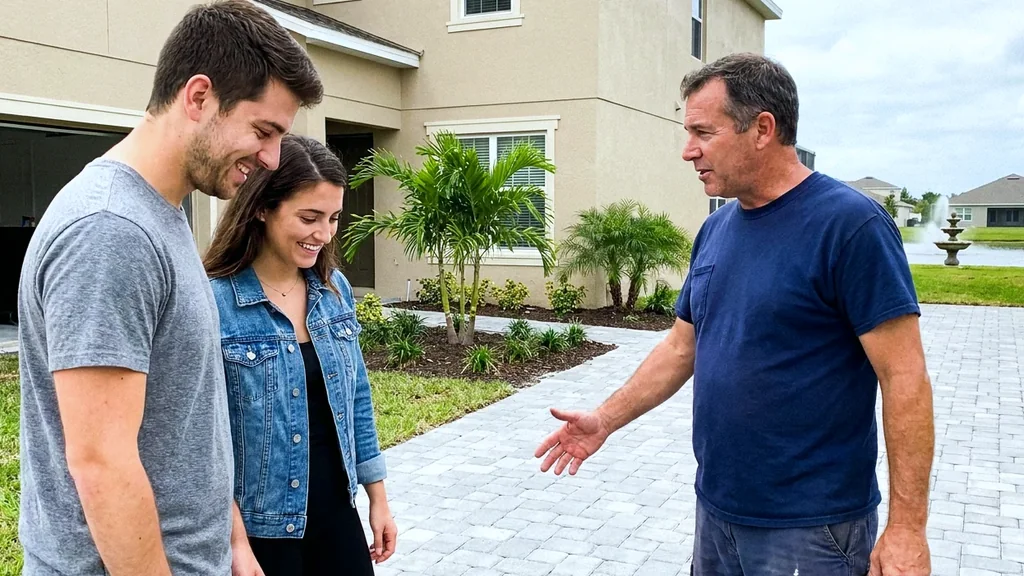
Why local matters in Cocoa
Cocoa sits beside the Indian River, and that shapes everything about timing. A contractor who works here knows mornings stay damp and summer storms build quickly. That is why pavers get extra drying time before sealing. For a contractor who covers central Brevard, dial (321) 364-3636.
Older blocks need a lighter touch. Around Cocoa Village the buildings go back to the early 1900s, and brick, old wood and plantings crowd the walkways. A contractor who knows those streets keeps rinse water off them. If your home is near the Village, you can request a free quote and describe what sits next to your pavers.
Rain also sets the pace. June through November brings most of it, and pavers sealed too soon can trap moisture and turn cloudy. A local contractor plans around that window and tells you honestly when one opens. Call (321) 364-3636 and ask how a Cocoa job gets scheduled.
Does it help to hire a contractor who knows Cocoa's history?
Yes, because Cocoa's older buildings and its river setting shape how pavers wear here. The Porcher House on Delannoy Avenue was built in 1916 of native coquina rock and was listed on the National Register of Historic Places in 1986. Cocoa Village also has the Historic Cocoa Post Office, built in 1939, and the Cocoa Village Playhouse. Call (321) 364-3636 if you live close to one of these places.
The city was chartered in 1895, after a fire in 1890 burned most of the business district and a railway extension brought new growth. Riverfront Park sits on the Indian River at the end of the Village, and the Hubert H. Humphrey Bridge links Cocoa to Merritt Island. Near any of these Cocoa landmarks, you can request a free quote and name your street.
Frequently Asked Questions
How often should you reseal pavers in Cocoa?
Coats usually last somewhere between two and five years, based on what companies quote. One Brevard company suggests two or three years. Cocoa pavers in full sun or heavy shade are good reasons to check on the shorter side. Look at the color and the sand at the edges, and plan the next visit before the wet season.
Is it better to spray or roll paver sealer in Cocoa?
Pros often spray the product down first and then follow with a roller. Spraying covers the area evenly, and rolling pushes product into the joints and spreads any puddles. Ask the contractor how a Cocoa job would be applied. Either way, the finish should look even, with no puddled spots near the joints.
How much does it cost to seal pavers in Cocoa?
Posted local prices run $1.85 to $4.00 per square foot for the wash, sand and seal. Your Cocoa total depends on area, condition and sealer type. Have the square footage written on the quote so bids line up. Pool decks and long drives push the total up, while a small walk keeps it low.
Should I hire someone to seal my Cocoa pavers?
Yes, if you want the surface washed, re-sanded and sealed on a day dry enough to cure well. A contractor can also spot an old solvent-based coat that blocks a water-based product. The estimate is free, so you can compare before you decide. A full cleaning also helps the contractor spot cracked or loose pavers before any sealer goes on.
What does sealer do for pavers in Cocoa?
Sealer protects against sun, salt air and daily wear, according to a Palm Bay paver company. It also helps hold color and slows weed growth in the joints. In Cocoa, it is a coat that gets renewed over time. Over the next few seasons, it also keeps dirt from settling into the surface.
When can I walk on pavers sealed in Cocoa?
The contractor will say, because it depends on the product, the shade and the humidity. Companies in Central Florida suggest a few hours for foot traffic and a day or more for furniture and cars. Humid days and shaded patios take longer. Pets and small children are best kept off until the contractor gives the all-clear.
Can pavers be sealed right after a wash in Cocoa?
No, because sealer needs a dry surface and the sand under the pavers dries slower than the top. A good contractor waits and checks conditions first. A wet-season Cocoa job may take a second visit. If a patch still feels damp, the contractor waits and checks it again.
How long should new pavers wait before the first seal in Cocoa?
One Central Florida company says to wait 30 to 90 days so the pavers cure and white efflorescence works out. Sealing over it can trap a cloudy haze. Ask the contractor to judge new Cocoa pavers before booking. A quick look at the pavers' age can save you from a cloudy first coat.
What are the downsides of sealing pavers in Cocoa?
The main downsides are upkeep and timing. A coat wears thin and gets renewed later, and glossy wet look picks up scuffs faster than matte. It also needs a dry surface, which can push a Cocoa job into a drier week. Wet look gives the deepest color, though it shows wear sooner.
How do I know if my Cocoa pavers need sealing?
One Central Florida company suggests a water test. Splash water on the pavers, and if it beads, the sealer still works. If it soaks in, or the color looks flat, a new coat is due. Damp mornings can add hours, so ask what the plan is if rain returns.
Matte or wet look for pavers in Cocoa?
Matte gives a natural, quieter look and hides scuffs better. Wet look deepens color and adds shine but shows wear sooner. For an older Cocoa home, many owners lean toward matte. Yes, and the same goes for patios and pool decks.
How long does a paver sealing job take in Cocoa?
Expect two visits. A north Brevard company says pavers must be completely dry, so cleaning happens on one day and sealing on another. Weather can move the second visit. Humidity is the usual culprit when a coat turns cloudy.
Ready for a Free Estimate in Cocoa?
Call (321) 364-3636 and tell us about your pavers.
Free, no obligation