
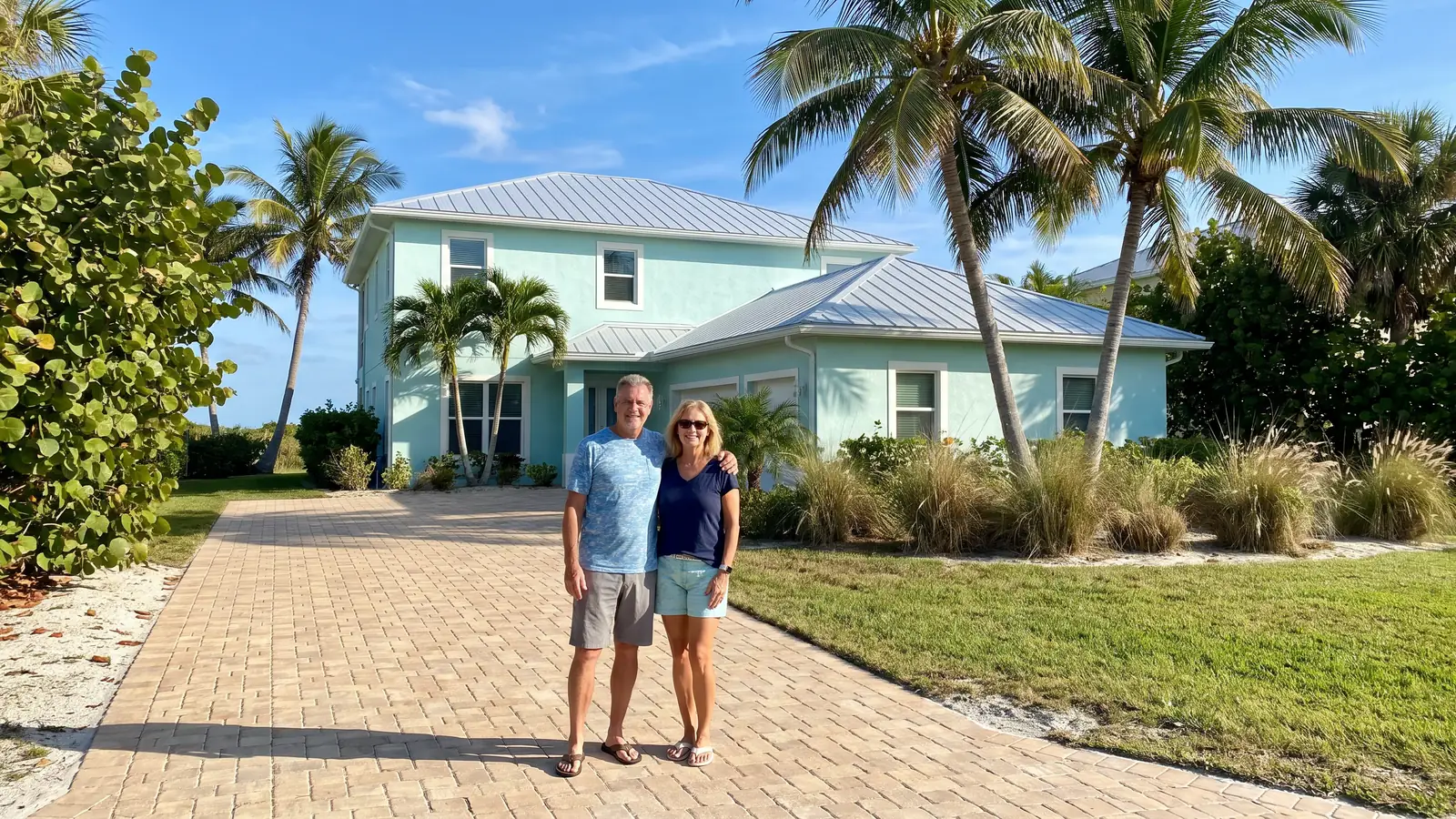
Paver sealing for Indialantic homes
Paver Sealing in Indialantic, FL
Faded Indialantic pavers near the beach or the river can look new again, call (321) 364-3636 for a free estimate.
- Brings out deeper paver color
- Fresh joint sand helps lock pavers in place
- Gives weeds less room to grow
- Makes the surface easier to keep clean
- Free estimate, no obligation
Request a Free Estimate
Free, no obligation.
Fast, careful paver sealing in Indialantic
Indialantic homeowners can book paver sealing with a local contractor, starting from a free estimate. Driveways, front walks, pool decks and patios all qualify, from Fifth Avenue to the river streets. Send a request through request a free quote and a reply should reach you within 1 business day, usually much sooner.
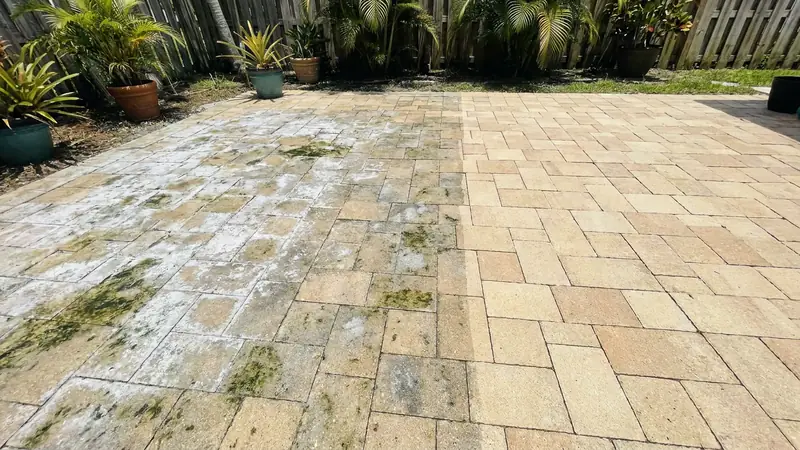
Picture the walk to your front door, gray and blotchy, with sand missing from the joints and a green film where the rain sits. After a wash, fresh joint sand and a coat of sealer, the color evens out and water rolls off again. If you would rather talk first, call (321) 364-3636 and tell the contractor what your walkway looks like.
Why hire a local paver sealing contractor in Indialantic?
Indialantic is one square mile, so a local contractor is never far away and a follow-up visit is a short drive. You can request a free quote to line up a first look.
Free walk-through
Someone measures your Indialantic driveway or patio, notes what shape it is in and gives a written price. The visit carries no obligation.
A range to check bids
Published Space Coast rates run $1.85 to $4.00 per square foot to clean, sand and seal. Compare any bid with that spread.
Sheen for sandy feet
Matte hides the scuffs that beach sand leaves behind. A wet look shines more and shows marks sooner. Choose what fits your walk.
Your schedule, your call
You pick the day, the finish and whether to go ahead at all. Nothing is decided until you have read the price.
Get Your Free Estimate in Indialantic
Tell us about your pavers in Indialantic.
Free, no obligation
What paver problems show up most in Indialantic?
A long wet season on a low island
Melbourne's weather record shows about 52 inches of rain a year, and almost two thirds of it falls in a 138-day wet season. Indialantic sits at 13 feet above sea level, so water has little room to run off. Pavers stay damp for days and grow a green or gray film. Sealer cannot go over a wet surface, so the work waits for dry days. The other eight months run only about 2 to 5 inches each, so jobs move along more easily then.
A damp setting between two waters
The town sits on a strip of land with the Atlantic on one side and a brackish lagoon on the other. Moist air from both reaches your walkway every day. Any film that builds up this close to the water has to be washed off before sealer goes on, or it gets locked under the coat. That is why a careful wash comes first on a beach-side job, even when the pavers look clean from the street.
Joint sand that thins out
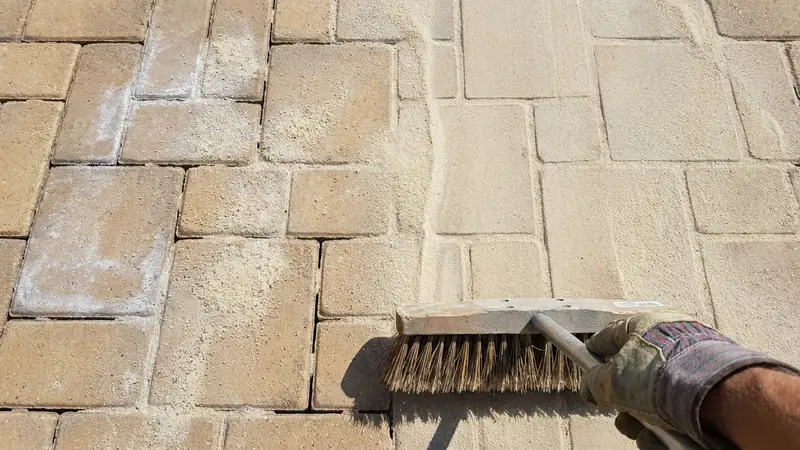
Sand keeps pavers from rocking and keeps weeds out. Heavy rain and washing thin it over time. A contractor refills the joints after cleaning and before sealing, because the sealer helps hold fresh sand in place. If you see bare gaps or sprouting weeds, the joints need attention first, and the quote should say whether new sand is included.
An old coat from a past owner
Indialantic became a town in 1952, and many homes have changed hands more than once. A driveway may carry sealer laid down years ago by someone you never met. A water-based coat will not take over a solvent-based one, so the contractor has to work out what is there before choosing a product. If nobody knows, a small test spot can save a whole driveway from a cloudy or peeling coat.
Sand and sandals on short walks
With public beach accesses and a dog beach in town, sand rides home on shoes and paws. It scuffs a sealed surface like fine sandpaper. A wet look shows those scuffs sooner than a matte finish. Pick the sheen by how your walkway is used, not only by how it looks the day the job is done. Many homeowners near the beach choose matte for exactly this reason.
Which Indialantic streets get paver sealing?
Paver sealing is available across the town of Indialantic and the neighborhoods that share its ZIP code, 32903. The town itself is a square mile of beach cottages and newer homes, with Fifth Avenue as its historic downtown. If you are not sure whether your street counts, call (321) 364-3636 and give the cross streets.
Many people with an Indialantic address live just outside the town line, in places like Canova Beach, Indialantic Heights, Ocean Park, Oceanside Village, Palm Colony and Puesta del Sol. Others are in Riviera, Rio Linda, River Shores, Shady Shores, Terrace Shores or Coventry. Those homes can ask for an estimate too, and you can request a free quote from any of them.
The mix matters for pavers. A cottage near the boardwalk may have a small patio and a short front path, while a home in The Sanctuary or by the river may have a larger driveway and a pool deck. The estimate is built around your square footage, and you can request a free quote to start.
What does paver sealing cost in Indialantic?
Figure on $1.85 to $4.00 per square foot for a full clean, sand and seal, the spread Space Coast companies publish. Small patios and short walks keep the total low, while a long drive with bare joints pushes it up. You can request a free quote for a number tied to your own square footage.
Three things add to the bill: heavy film, thin joint sand and an old coat that has to be stripped. Compact walks and sound joints keep it modest. Ask for the area in square feet on paper, and call (321) 364-3636 if the quote shows only a lump sum.
| Paved area | Typical example | Clean, sand and seal |
|---|---|---|
| 300 sq ft | Small patio or walkway | $555 to $1,200 |
| 600 sq ft | Two car driveway | $1,110 to $2,400 |
| 1,000 sq ft | Large driveway or pool deck | $1,850 to $4,000 |
| 1,500 sq ft | Driveway plus pool deck | $2,775 to $6,000 |
Math based on the $1.85 to $4.00 per square foot that Space Coast paver companies publish. Your contractor sets the actual price after seeing the surface. Repairs, leveling and stripping failed sealer are usually extra.
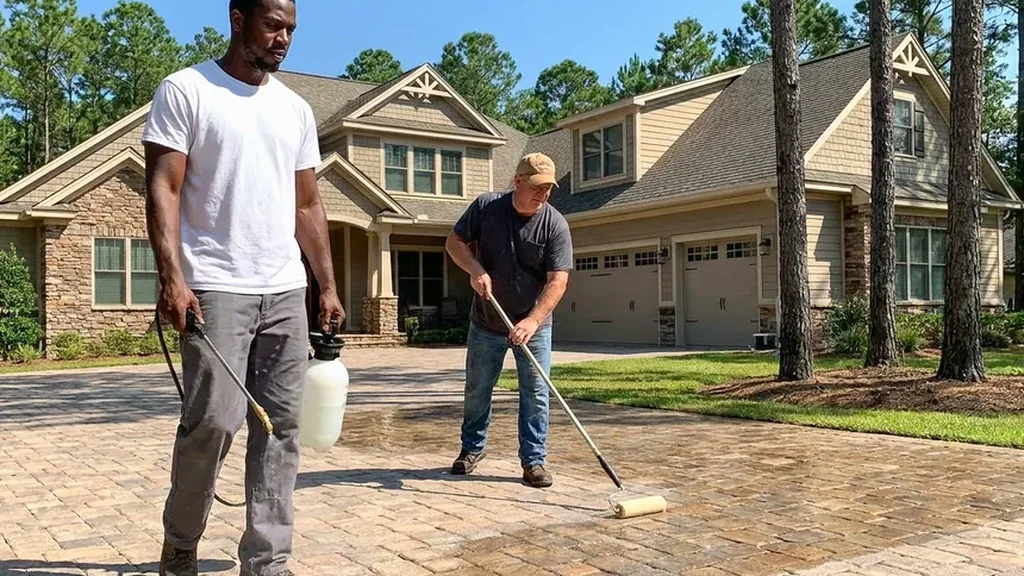
How does a paver sealing job work in Indialantic?
Look it over
The contractor walks the property, notes film, bare joints and old sealer, and measures every paver area. Damp, shaded and sunny patches get separate notes, since they dry at different speeds. You can point out stains and any area to skip. A short sketch of the lot helps the contractor give a clean price.
Wash off the film
A pressure wash lifts mildew, film and loose sand. Near the water the contractor looks for a salty residue and rinses it away. Then everything dries, which can take a day or more after rain. Rinse water is kept off plants where possible, and the wash is timed for a day with some breeze.
Put the sand back
Fresh joint sand is swept in and packed tight once the surface is clean. Tight joints hold pavers still and keep weeds from rooting. Sealer follows only after this step. Edges along the house and curb get extra sand, since that is where gaps show first.
Spray the sealer
Sealer goes down in even coats in matte or wet look. It must match whatever is already on the pavers. Plants, walls and the pool edge are covered so no overspray lands there. Edges, corners and low spots get a second pass if needed.
Stay off until cured
Cars, chairs and pets wait until the coat has cured. One Melbourne Beach company puts that near 48 hours for most products. A rainy day can push the date, and the contractor will say so. Ask for a short list of care tips in writing before the crew leaves.
Complete paver services in Indialantic
Island pavers get hit from two sides. Damp air rolls in off the water, and sand rides home on shoes. The contractor washes both away, refills the joints and waits for a bone-dry surface before any sealer touches it. Call (321) 364-3636 to ask how that wait is judged.
Pool decks, driveways and front walks each ask for something different. A deck needs grip under wet feet, a driveway needs to shrug off tires, and a walk needs to look good at the door. A Melbourne paver company notes that sealing never makes pavers slip-proof. Use request a free quote to have all three checked at once.
Which sealer goes on depends on what is already there. A coat of the wrong type will not bond, so the contractor works out the old product first. Matte stays quiet and hides sand scratches, while a wet look glows and shows them. Call (321) 364-3636 to talk finish.
Plan the calendar around the cure. One nearby company says most sealers need about 48 hours before they are fully hard, and local quotes often land between two and five years per coat. Wet-season rain can shift your date. You can request a free quote to find an open dry stretch.
Questions to ask before you hire
- Can I get a matte finish if I do not want the wet look?
- How many coats go down, and how long do you wait between them?
- Will the written estimate name the sealer and how far a gallon spreads?
- Which sealer will you use this close to salt air, and why that one?
- Will you refill the joints with polymeric sand, and which kind?
- How do you tell that the pavers are dry enough to seal after a wash?
- Will you rinse off the salt film and blown sand before the sealer goes down?
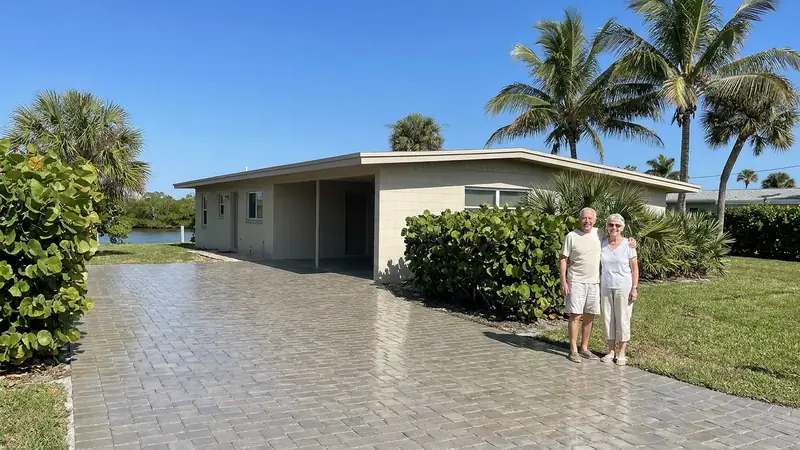
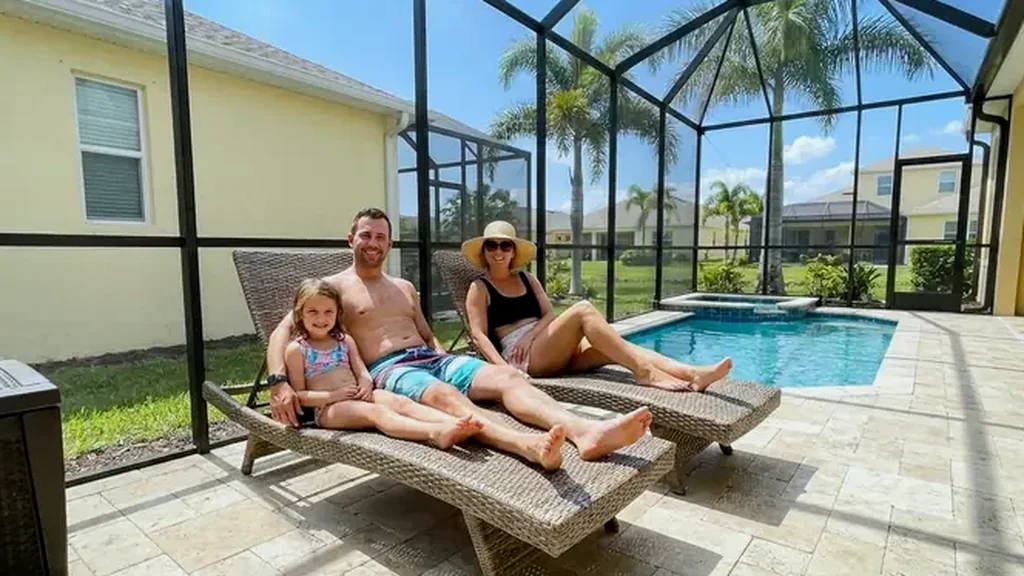
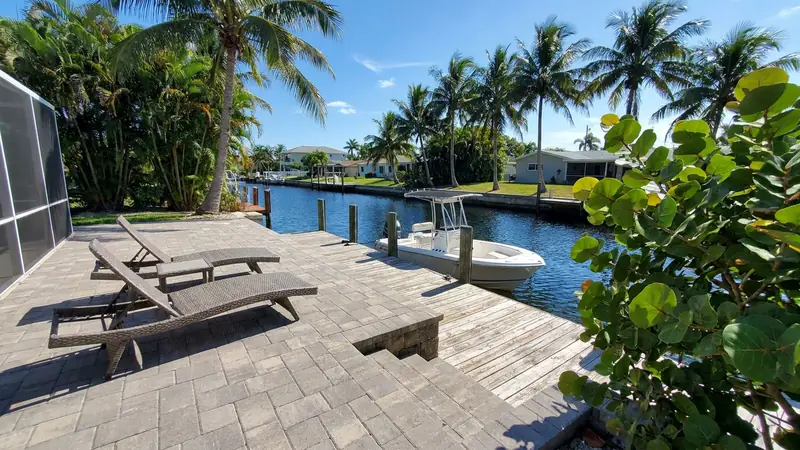
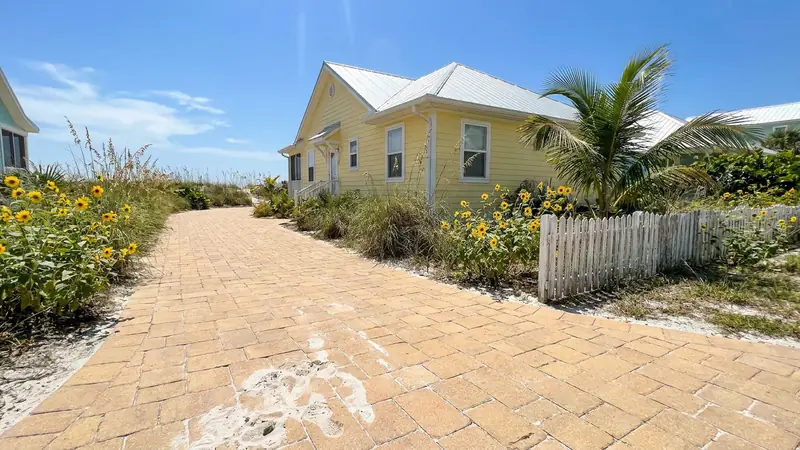
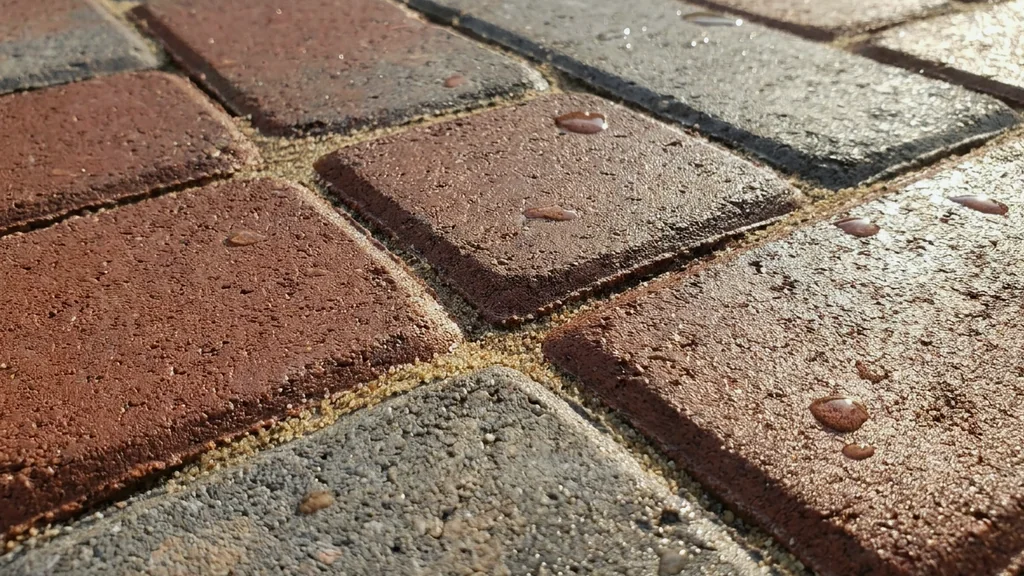
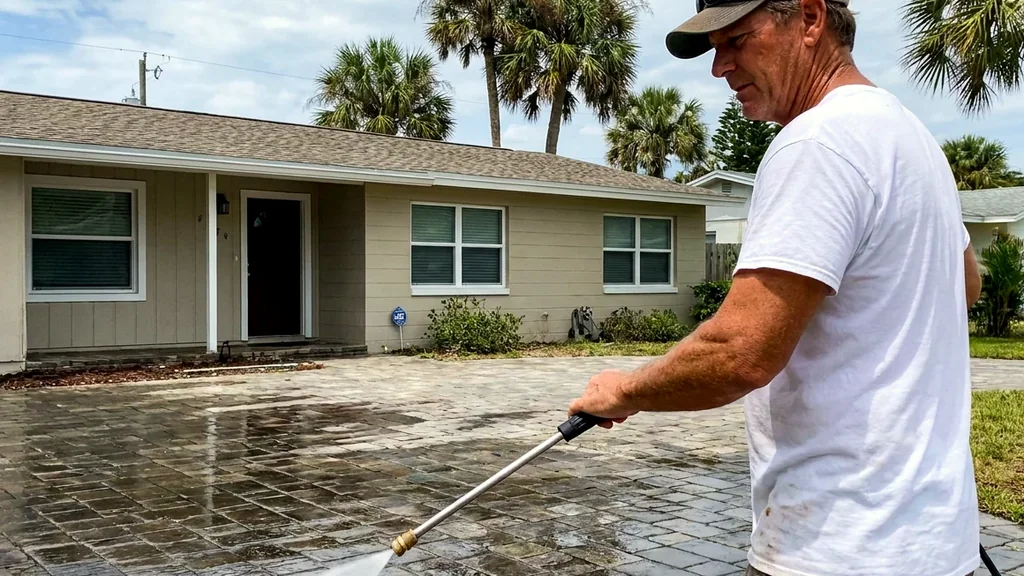
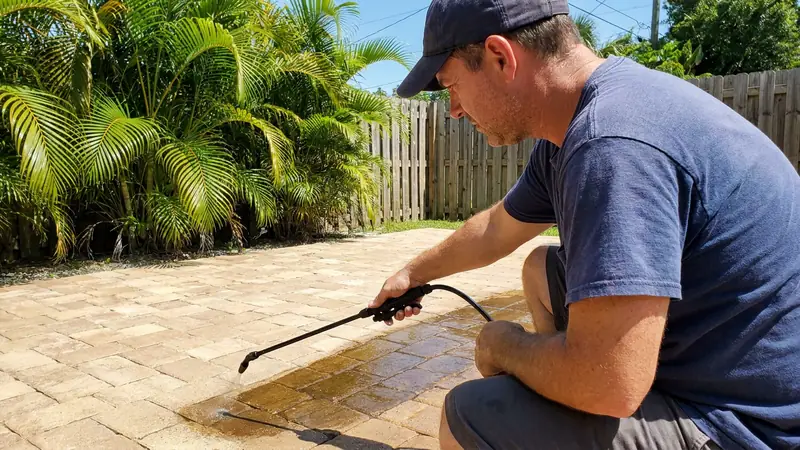
What do sealed pavers look like around Indialantic?
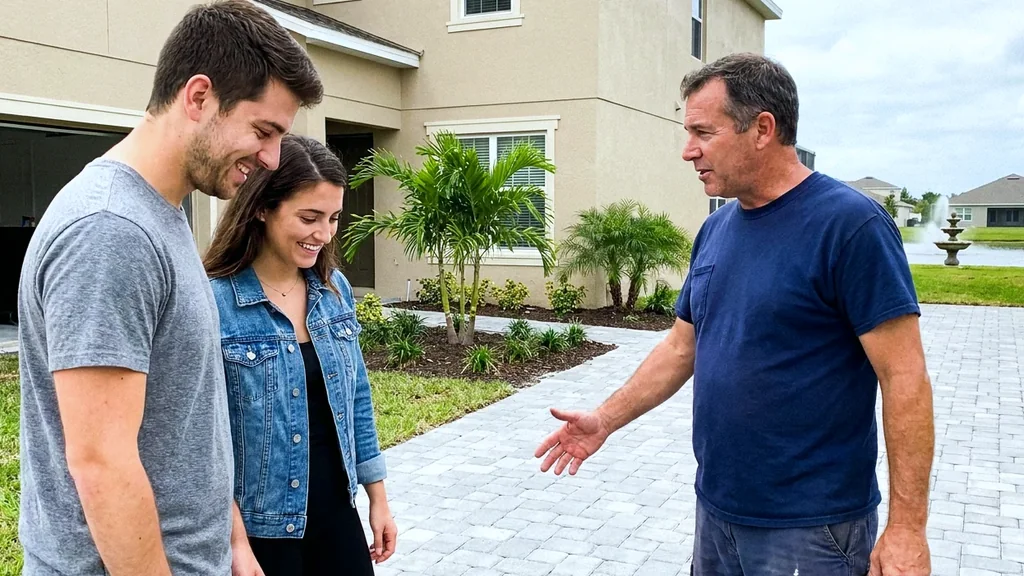
Why local matters in Indialantic
A contractor who works on the island knows that a driveway near Fifth Avenue and one by the river can behave differently. The ocean side gets more wind and sand, while the river side stays damp longer in the shade. Call (321) 364-3636 and ask how the contractor handles each case.
Indialantic is tiny, a square mile, so routes are short. A contractor can return for a second look or a touch-up without a long drive, and a rain delay costs less time. You can request a free quote and ask how scheduling works near the causeway.
Local knowledge also helps with the old coat on your pavers. Homes here have been resold for decades, and a past owner may have used a solvent-based product. A contractor who has seen the neighborhood spots that sooner. Call (321) 364-3636 and mention what you know of the home's history.
What is Indialantic known for besides its beach?
Indialantic is known as a small beach town with a real downtown. Ernest Kouwen-Hoven bought the beachside strip in 1915 and named it Indialantic-by-the-Sea. His wooden bridge to Melbourne earned the nickname Kouwen-Hoven's Folly before it was finished in 1921, and if you want to talk paver work, call (321) 364-3636.
Today the town is a bird sanctuary, designated in 1975, with James H. Nance Park standing where the old Bahama Beach Club once was. The Melbourne Causeway still ends at the base of Fifth Avenue, and the park sits within walking distance. Sea turtles nest on the beach from March through October, and you can request a free quote whenever your pavers need a refresh.
Frequently Asked Questions
How much does it cost to clean and reseal pavers in Indialantic?
Published Space Coast prices run $1.85 to $4.00 a square foot for a wash, fresh sand and sealer. The total follows the square footage, so a short front walk costs far less than a long driveway. If an old coat has to come off, expect the figure to move toward the top of that range. Ask for the area and the sealer name on the quote to compare two bids fairly.
How long does a sealer coat last in Indialantic?
Local quotes land between two and five years per coat. A Melbourne Beach company generally reseals driveways and pool decks every 2 to 3 years and says to wait at least 18 months. Damp air off the lagoon and the ocean points toward the shorter end of that span. Ask the contractor to look at the coat after two years and say whether a new one is due.
Is it better to spray or roll paver sealer on an Indialantic patio?
Crews use both methods, and the product and the surface decide. A Melbourne Beach company sprays a flood coat and inspects it before the final coat. On a small beach patio, ask the contractor to shield plants and walls whichever way the sealer goes on. Ask to see the finish on a small corner before the whole surface is done.
Is sealing worth it for a patio in Indialantic?
Nothing requires it, but a sealed patio resists film and holds joint sand better. Indialantic sits between the Atlantic and a brackish lagoon, and Melbourne gets about 52 inches of rain a year. Sealer will not stop normal fading, so judge the result by cleanliness and sheen. A fresh coat also makes the surface easier to rinse after a sandy weekend.
Does the rainy season change when Indialantic pavers can be sealed?
Yes. A 22-year north Melbourne record shows 64 percent of the rain falling in a 138-day wet season. The other months run about 2 to 5 inches each, which makes them easier for a dry check. Ask the contractor what dry window they need and how they confirm it. Plan on a dry week if you can, and let the contractor pick the day.
Will beach sand scratch a sealed Indialantic walkway?
Sand acts like fine sandpaper under shoes, so a busy walk can scuff over time. A wet look shows those marks sooner than matte. If your walk leads from a public beach access or a dog beach, matte is the calmer pick. If your walk feels too shiny after the test patch, ask for matte before the full job starts.
Can I get paver sealing if I live just outside the Indialantic town line?
Yes. Many addresses with an Indialantic mailing label sit in nearby neighborhoods that share ZIP 32903, such as Indialantic Heights, Ocean Park, Oceanside Village, Palm Colony and Riviera. Give the contractor your cross streets when you call, and the estimate works the same way. Calling with your cross streets saves a back-and-forth later.
How can I tell what old sealer is on my Indialantic driveway?
Often you cannot, especially after several owners. Water-based sealer will not bond over solvent-based sealer, so the contractor may test a small patch. Old receipts and product names help, so keep any you find and write down the new product afterward. A coat of the wrong type can peel, which is why this guess is worth avoiding.
Does a pool deck in Indialantic need a different finish than a driveway?
Often it does, because a deck stays wet under bare feet. One Melbourne paver company says sealing does not make pavers slip-proof and that the product should account for traction. Tell the contractor how the deck is used and ask for a recommendation. Matte tends to feel less slick underfoot than a wet look.
How long should I stay off Indialantic pavers after they are sealed?
One Melbourne Beach company says most sealers need about 48 hours to cure fully. Foot traffic may be fine sooner, and the contractor will give exact times for the product used. A rainy afternoon can push the dates back. Ask for the cure times in writing so you can plan guests and cars.
What does an Indialantic paver job look like on a small lot?
Most of the work is a front walk, a patio and maybe a short drive. The contractor washes each area, refills the joints and seals in one visit when the weather allows. Because the town is only a square mile, the crew is never far from the next stop, and a rain day can be rebooked quickly.
Is there anything to do before the Indialantic contractor arrives?
Move cars, potted plants and furniture off the pavers, and point out stains and low spots on the day of the estimate. Keep sprinklers off for the work window. Ask the contractor for a short written list of what to clear and when, so nothing is missed.
Ready for a Free Estimate in Indialantic?
Call (321) 364-3636 and tell us about your pavers.
Free, no obligation